
Electric rooflights represent a significant advancement in energy-efficient living. They provide an innovative solution to enhance natural light and ventilation in homes.
By leveraging smart technology, these rooflights adjust automatically to changing sunlight conditions. This functionality not only reduces energy consumption but also contributes to a more comfortable indoor environment.
The implications of this technology extend beyond mere aesthetics and efficiency, prompting a closer examination of their true potential in sustainable living.
While many homeowners seek innovative ways to enhance natural light in their living spaces, electric rooflights offer a compelling solution. These advanced systems integrate seamlessly into the architecture, allowing for the efficient capture and distribution of daylight.
Typically installed in roofs, electric rooflights can be opened or closed remotely, providing both ventilation and light control. They utilize smart technology to adjust to varying light conditions, enhancing comfort while reducing energy consumption.
With options ranging from fixed panels to operable designs, electric rooflights cater to diverse aesthetic preferences and functional needs, making them a versatile addition to modern homes aiming for sustainability.
Electric rooflights provide a range of benefits that enhance both the aesthetic and functional aspects of a home. They invite natural light, creating bright and inviting spaces while reducing reliance on artificial lighting.
This influx of daylight can positively affect mood and well-being. Additionally, electric rooflights offer improved ventilation, allowing homeowners to regulate indoor air quality effectively. Their automated features enable convenient control, making it easy to adjust light levels or airflow with the touch of a button.
Moreover, these installations can add a modern touch to architectural designs, increasing the overall value of the property while providing a unique visual appeal.
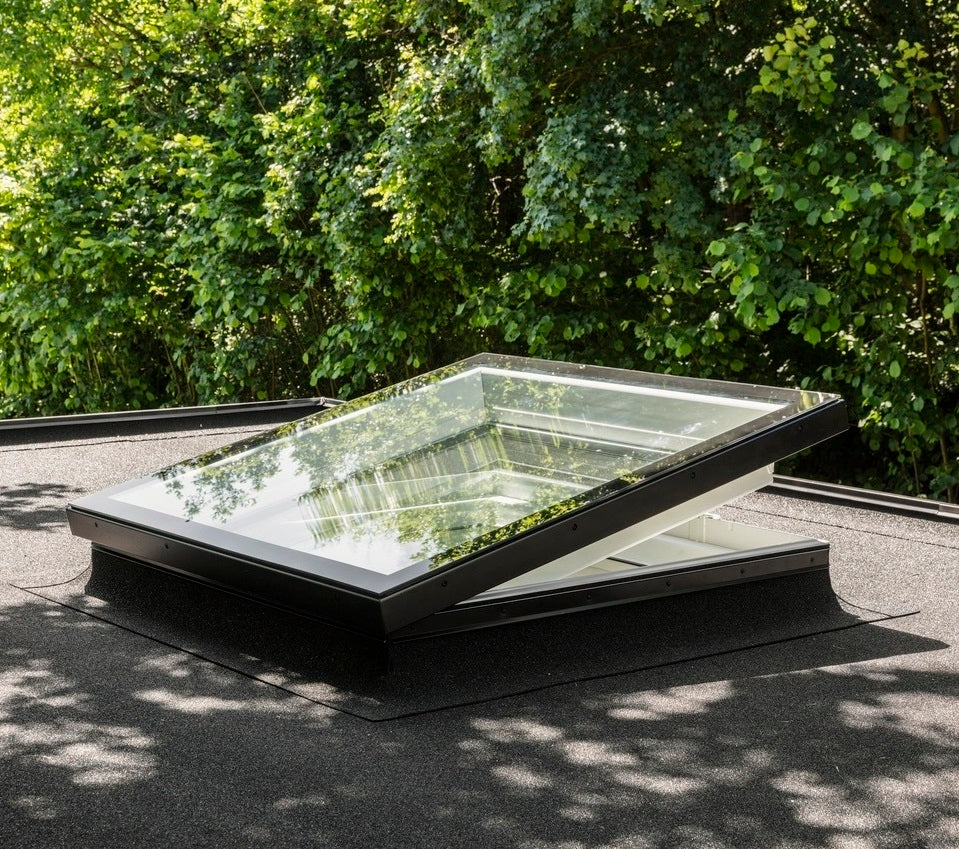
Natural light is a key factor in enhancing energy efficiency within a home, and electric rooflights play a significant role in maximizing this benefit.
By allowing sunlight to penetrate deeper into living spaces, these rooflights reduce reliance on artificial lighting, leading to lower energy consumption. Additionally, electric rooflights can be automated to open and close based on sunlight intensity, optimizing natural ventilation and reducing heating and cooling costs.
This intelligent management of natural resources guarantees a comfortable indoor environment while minimizing energy waste. Overall, electric rooflights contribute to a more sustainable and energy-efficient home.
When integrated into a home, electric rooflights not only enhance the flow of natural light but also greatly elevate the overall aesthetic appeal and comfort of living spaces.
These installations create a sense of openness, making rooms feel larger and more inviting. By allowing sunlight to penetrate deeper into interiors, they foster a warm and welcoming atmosphere. Additionally, the modern design of electric rooflights complements various architectural styles, contributing to a home's visual interest.
The ability to control light levels enhances comfort, enabling homeowners to create the perfect ambiance for relaxation or entertainment throughout the day.
The installation of electric rooflights involves several important considerations that can greatly impact their effectiveness and longevity. To begin with, the placement must be strategic to maximize natural light while minimizing heat loss.
Additionally, guaranteeing proper structural support is essential, as electric rooflights add weight and require secure installation. Professionals must assess local building codes and regulations to avoid compliance issues. Electrical connections should be meticulously planned to guarantee safety and functionality.
Finally, selecting high-quality materials and components can enhance energy efficiency and durability, making it imperative to choose reputable brands during the installation process for long-term benefits.
To guarantee electric rooflights function efficiently over time, regular maintenance is essential. Homeowners should routinely check the seals and gaskets for wear or damage, ensuring no moisture enters the system. Cleaning the glass frequently prevents dirt accumulation that can obstruct light flow.
Additionally, inspecting the electrical components and connections for corrosion or loose wiring enhances safety and performance. It is advisable to schedule professional servicing annually to address any underlying issues. Regularly updating software for automated systems can also optimize functionality.
Following these maintenance tips will help sustain the energy efficiency and longevity of electric rooflights, enhancing overall home comfort.
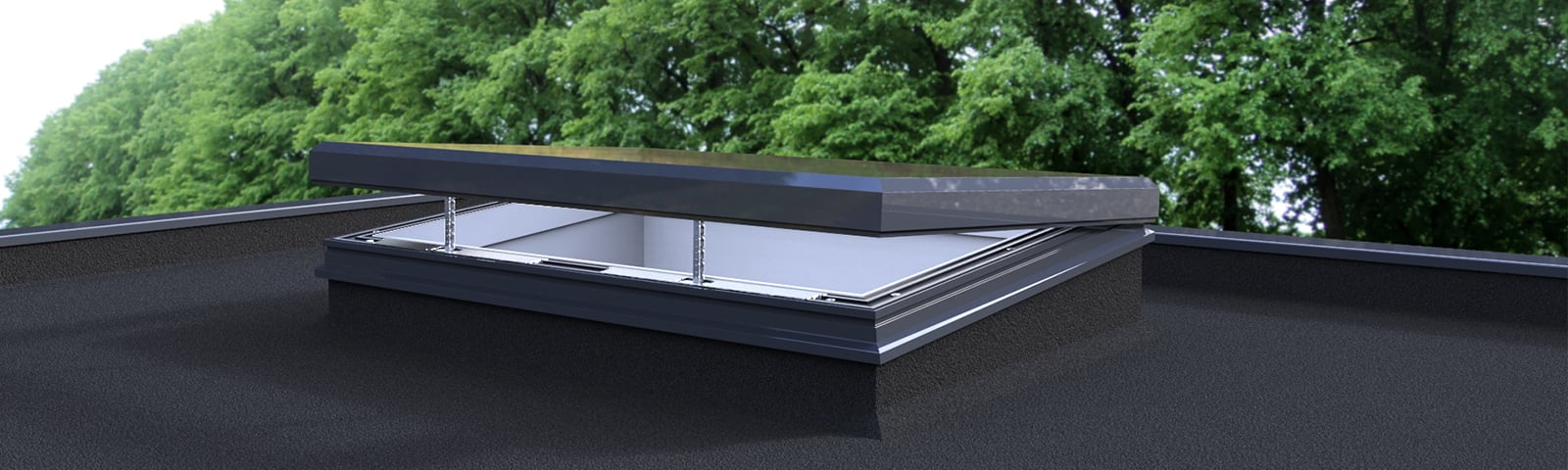
Electric rooflights offer enhanced functionality compared to traditional skylights. They provide automated control over natural light and ventilation, allowing users to open or close them with the push of a button. Unlike static skylights, electric versions can adapt to changing weather conditions, improving energy efficiency. Additionally, they often feature advanced glazing options for better insulation. While traditional skylights remain popular for their simplicity, electric rooflights present a modern solution for comfort and convenience in home design.
Yes, there are safety concerns associated with electric rooflights. Potential risks include electrical hazards due to improper installation or faulty wiring, which can lead to short circuits or fires. Additionally, heavy rainfall or strong winds may compromise the structural integrity of the rooflight, posing risks of leaks or breakage. Moreover, accessibility for maintenance could present safety challenges, especially if the installation is on a high or sloped roof, requiring proper precautions during servicing.
The best materials for electric rooflight frames include aluminum, PVC, and timber. Aluminum offers durability and resistance to corrosion, making it ideal for various climates. PVC is lightweight and low-maintenance, while providing good insulation properties. Timber frames, although requiring more upkeep, add aesthetic appeal and natural insulation. Each material has its advantages, with the choice often depending on factors such as budget, design preferences, and specific environmental conditions.