
Seniors often face unique sleep challenges that can greatly impact their overall well-being. Innovative sleeping solutions tailored to their specific needs can make a notable difference.
From adjustable beds to specialized mattresses and supportive pillows, there are various options available. Understanding these solutions is essential for enhancing sleep quality.
This guide will explore how to create a comfortable sleep environment and implement effective lifestyle changes, paving the way for improved rest and health.
As individuals age, they often encounter various sleep challenges that can considerably impact their overall well-being. Factors such as chronic pain, medical conditions, and changes in sleep patterns contribute to difficulties in achieving restful sleep. Seniors frequently experience insomnia, characterized by trouble falling asleep or staying asleep, which can lead to fatigue and decreased cognitive function.
Additionally, medications for age-related ailments may further disrupt sleep cycles. Environmental factors, including excessive noise and light, can also hinder the ability to sleep soundly.
These challenges underline the importance of addressing sleep issues in the elderly population, as prioritizing sleep quality is essential for maintaining health, mood, and overall quality of life. Understanding these challenges allows for the development of effective solutions tailored to seniors.
Creating a comfortable sleep environment is essential for seniors, as it greatly influences their ability to achieve restful sleep. Factors such as room temperature, lighting, and noise levels play crucial roles in enhancing sleep quality. A cooler room, typically between 60-67 degrees Fahrenheit, promotes better sleep by helping regulate body temperature.
Soft, dim lighting encourages relaxation, signaling the body that it is time to wind down. Additionally, minimizing noise through soundproofing or white noise machines can help prevent disturbances that disrupt sleep cycles.
Comfortable bedding, including supportive pillows and blankets, further contributes to a serene atmosphere. By addressing these aspects, seniors can foster a sleep environment that supports restorative rest, ultimately improving their overall health and well-being.
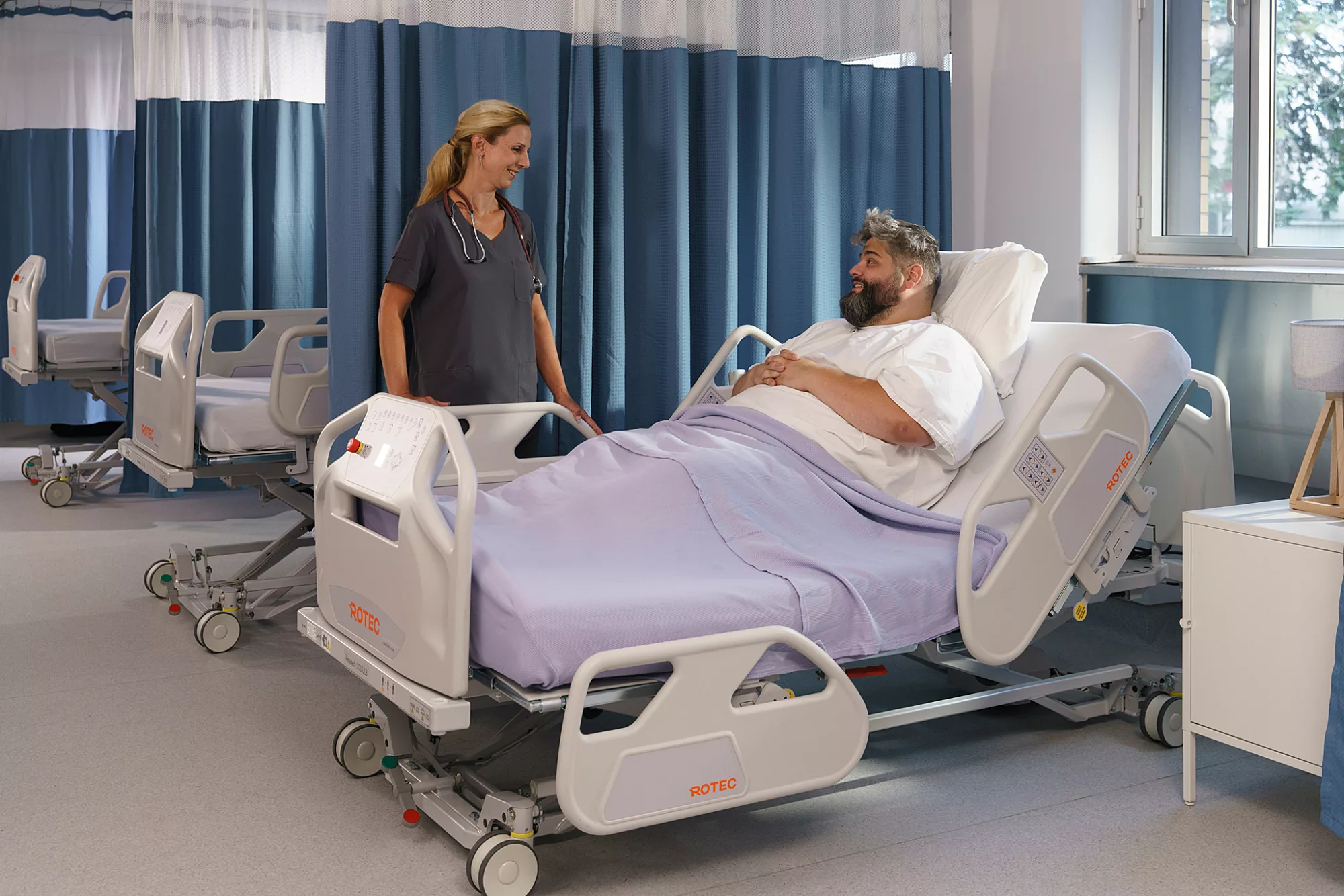
Numerous innovative mattress options are now available that cater specifically to the needs of seniors seeking enhanced support during sleep. Memory foam mattresses, for instance, provide excellent contouring and pressure relief, adapting to the body's shape to alleviate pain points.
Hybrid mattresses combine innerspring coils with foam layers, offering both support and comfort, which can be particularly beneficial for seniors with mobility issues. Additionally, high-density foam options maintain their shape over time, ensuring consistent support.
Gel-infused mattresses help regulate temperature, promoting a cooler sleep environment. Finally, specialized mattresses designed for seniors often include features such as enhanced edge support, making it easier to get in and out of bed. These innovative choices greatly contribute to better sleep quality for older adults.
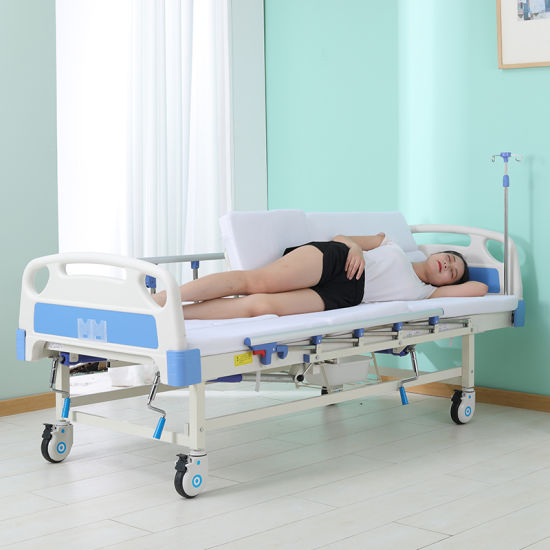
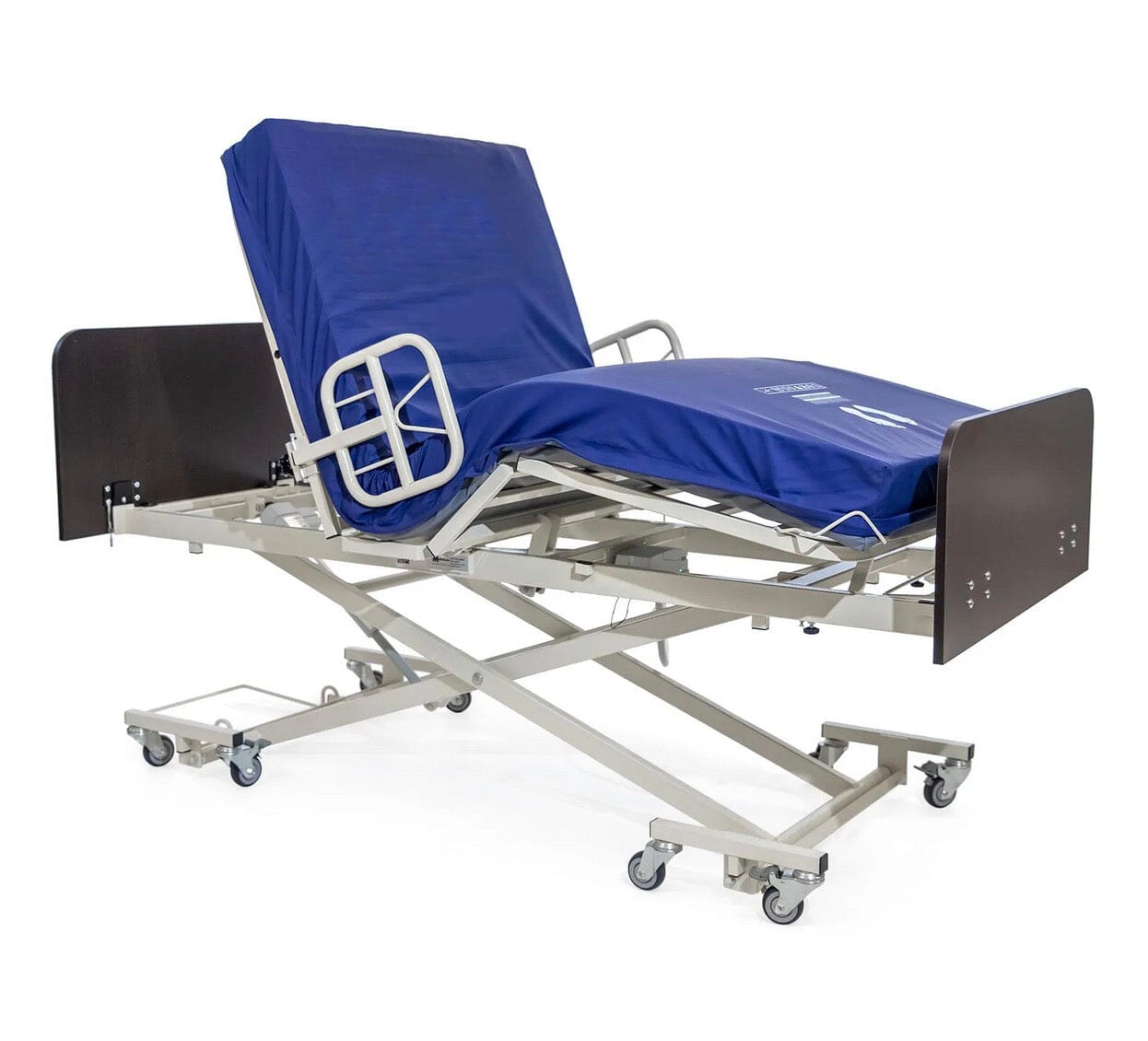
Adjustable beds offer a versatile solution for seniors seeking customizable comfort during sleep. These beds can be easily adjusted to various positions, allowing users to find their best sleeping posture. This feature can help alleviate common issues such as acid reflux, back pain, and poor circulation, which are often exacerbated by traditional flat mattresses.
Additionally, adjustable beds can promote better mobility, enabling seniors to sit up with ease when getting in and out of bed. Many models also come equipped with advanced technology, including remote controls and preset positions, enhancing user convenience.
Ultimately, adjustable beds provide seniors with the ability to tailor their sleep environment to their specific needs, contributing to improved overall sleep quality and well-being.
While many seniors prioritize a comfortable mattress for restful sleep, the importance of supportive pillows and bedding solutions cannot be overlooked. Pillows designed for specific sleep positions can help maintain proper alignment of the neck and spine, reducing discomfort and promoting deeper sleep.
Memory foam and orthopedic pillows are particularly beneficial as they adapt to individual contours, providing personalized support. Additionally, choosing bedding materials such as breathable cotton or moisture-wicking fabrics enhances temperature regulation, vital for a good night's rest.
Soft, hypoallergenic bedding can also minimize irritation and allergies, contributing to a more pleasant sleeping environment. Investing in quality pillows and bedding guarantees that seniors can enjoy improved sleep quality, ultimately enhancing their overall well-being.
Comfortable bedding and supportive pillows lay a strong foundation for a good night's sleep, but lifestyle changes can further enhance sleep quality for seniors. Establishing a consistent sleep schedule helps regulate the body's internal clock, promoting deeper rest.
Engaging in regular physical activity during the day can also improve sleep patterns, while minimizing caffeine and heavy meals in the evening can prevent disturbances. Creating a calming bedtime routine fosters relaxation, making it easier to fall asleep.
Additionally, limiting screen time before bed can reduce exposure to blue light, which interferes with melatonin production. Maintaining a comfortable sleep environment, including ideal room temperature and minimal noise, further supports restful sleep. These adjustments contribute to improved sleep quality and overall well-being for seniors.
The best sleep aids for seniors include melatonin supplements, which help regulate sleep cycles, and herbal remedies like valerian root and chamomile, known for their calming effects. Over-the-counter options such as diphenhydramine can assist with sleep onset, though they should be used cautiously. Additionally, maintaining a consistent sleep schedule and creating a comfortable sleep environment can enhance the effectiveness of these aids, promoting better rest and overall well-being in elderly individuals.
To clean and maintain assistive bedding accessories, one should regularly wash removable covers according to the manufacturer’s instructions, typically in warm water. Spot cleaning is recommended for stains, using mild detergents. It’s crucial to check for wear and tear, replacing any damaged items promptly. Additionally, vacuuming or shaking out bedding can help eliminate dust and allergens. Maintaining a clean, dry environment will prolong the lifespan of these accessories and guarantee maximum comfort.
The best sleep positions for seniors often include lying on their side with a pillow between their knees to maintain spinal alignment and reduce pressure on the hips. Another recommended position is lying on the back with a small pillow under the knees, which can alleviate lower back pain. It is advisable to avoid sleeping on the stomach, as this can strain the neck and spine, leading to discomfort and potential health issues.